top of page

Па-за разумным сумневам
Language
Mainstream pulpits frequently dismiss God's Law as obsolete "legalism,"
![<h5 class="font_5"><u><em><strong>Revelation 20:14: </strong></em></u><em><strong>The lake of fire explicitly designated as "the second death."</strong></em></h5>
<h6 class="font_6"><strong><br>
Read More Modern</strong><u><strong> Pulpit Traditions vs. Biblical Scripture</strong></u><strong><br>
</strong><u><strong>Mainstream pulpits frequently dismiss God's Law as obsolete </strong></u><strong>"legalism,"</strong><u><strong> yet enforce man-made mandates in its place. </strong></u><strong>Below is the direct scriptural contrast across ten foundational doctrines</strong>.</h6>
<h6 class="font_6"><br>
<strong>1. Sunday Worship vs. The Seventh-Day Sabbath<br>
</strong><u><strong>Pulpit Claim: Sunday replaced the seventh day as the "Christian Sabbath."<br>
Scripture: </strong></u><strong>God sanctified the seventh day perpetually (Genesis 2:2–3; Exodus 20:8–11). </strong><u><strong>Yeshua observed it as His custom</strong></u><strong> (Luke 4:16) and </strong><u><strong>declared Himself Lord of the Sabbath </strong></u><strong>(Mark 2:28). Shifting observance to Sunday stems from </strong><u><strong>post-apostolic Roman edicts, not biblical command.</strong></u></h6>
<h6 class="font_6"><u><strong><br>
</strong></u><strong>2. "The Law Was Only for Ancient Israel"</strong><u><strong><br>
Pulpit Claim: </strong></u><strong>The Torah was an exclusive Old Covenant contract</strong><u><strong> irrelevant to </strong></u></h6>
<h6 class="font_6"><u><strong>Gentile believers under grace.<br>
Scripture:</strong></u><strong> Yeshua explicitly stated </strong><u><strong>He did not come to abolish the Law</strong></u><strong> or Prophets and warned against breaking even the least commandment (Matthew 5:17–19). Ingathering </strong><u><strong>Gentiles are grafted into the commonwealth of Israel </strong></u><strong>under the same foundational standard of obedience (Numbers 15:16; Romans 11:17–24; 1 John 5:3).<br>
</strong></h6>
<h6 class="font_6"><strong>3. Dietary Instructions<br>
</strong><u><strong>Pulpit Claim:</strong></u><strong> All biblically </strong><u><strong>unclean foods are sanctified for consumption</strong></u><strong> (citing Acts 10 or Mark 7).<br>
</strong><u><strong>Scripture:</strong></u><strong> Peter stated the explicit meaning of his vision:</strong><u><strong> </strong></u><u><em><strong>"God has shown me that I should not call any man common or unclean"</strong></em></u><u><strong> (</strong></u><strong>Acts 10:28). The distinction between clean food and abominations</strong><u><strong> remains unabolished and extends into end-times judgment</strong></u><strong> (Leviticus 11; Isaiah 66:17).<br>
</strong></h6>
<h6 class="font_6"><strong>4. "Christianizing" Pagan Holidays<br>
</strong><u><strong>Pulpit Claim:</strong></u><strong> Holidays rooted in pagan solar and fertility rites (e.g.,</strong><u><strong> Christmas, Easter) can be redeemed to worship God.<br>
Scripture</strong></u><strong>: </strong><u><strong>God strictly prohibits adopting pagan customs to honor Him: </strong></u><em><strong>"Take heed... do not inquire after their gods, saying, 'How did these nations serve their gods? I also will do likewise.'</strong></em><u><em><strong> You shall not worship the Lord your God in that way"</strong></em></u><u><strong> (</strong></u><strong>Deuteronomy 12:30–31).<br>
</strong></h6>
<h6 class="font_6"><strong>5. God's Appointed Feasts (</strong><em><strong>Moedim</strong></em><strong>)<br>
</strong><u><strong>Pulpit Claim:</strong></u><strong> Biblical feasts (Passover, Unleavened Bread, Shavuot, Yom Teruah, Yom Kippur, Sukkot</strong><u><strong>) are obsolete shadows.<br>
Scripture</strong></u><strong>: Commanded as </strong><em><strong>"statutes forever"</strong></em><strong> throughout all generations (Leviticus 23:14, 21, 31, 41).</strong><u><strong> Observed by Yeshua and the apostles</strong></u><strong> (Acts 20:16; 1 Corinthians 5:7–8), Zechariah 14:16–19 foretells that </strong><u><strong>all nations will celebrate the Feast of Tabernacles (</strong></u><u><em><strong>Sukkot</strong></em></u><u><strong>) in the Millennial Kingdom.<br>
</strong></u></h6>
<h6 class="font_6"><strong>6. Sacred Names and Identity<br>
</strong><u><strong>Pulpit Claim:</strong></u><strong> God's revealed name and the Messiah's Hebrew name are trivial, interchangeable with generic titles or translations.<br>
</strong><u><strong>Scripture</strong></u><strong>: The Divine Name (יהוה /</strong><u><strong> Yehovah) appears nearly 7,000 times </strong></u><strong>in the Tanakh as an eternal memorial (Exodus 3:15). The Son was specifically named </strong><u><strong>Yeshua ("Yehovah is salvation</strong></u><strong>," Matthew 1:21). </strong><u><strong>Scripture consistently ties salvation, reverence, and identity to knowing and proclaiming His actual name</strong></u><strong> (Psalm 91:14; Acts 4:12; John 17:6, 26).<br>
</strong></h6>
<h6 class="font_6"><strong>7. Cash Tithing for Church Budgets<br>
</strong><u><strong>Pulpit Claim:</strong></u><strong> Believers </strong><u><strong>must pay 10% of their gross cash income to the pastoral payroll or stand guilty of "robbing God" (</strong></u><strong>Malachi 3:8–10).<br>
</strong><u><strong>Scripture:</strong></u><strong> Biblical tithing was agricultural—crops and livestock from the land of Israel—to support the Levitical priesthood, widows, and orphans (Leviticus 27:30–32; Deuteronomy 14:22–29). </strong><u><strong>Money was never tithed. New Covenant giving is non-coercive, freewill, and cheerful according to one’s means (</strong></u><strong>2 Corinthians 9:7).<br>
</strong></h6>
<h6 class="font_6"><strong>8. The Clergy-Laity Divide<br>
</strong><u><strong>Pulpit Claim: </strong></u><strong>An ordained </strong><u><strong>clerical caste acts as the professional intermediary over the congregation.<br>
Scripture:</strong></u><strong> Yeshua </strong><u><strong>banned religious hierarchy and flattering titles </strong></u><strong>among His disciples (</strong><em><strong>"you are all brethren,"</strong></em><strong> Matthew 23:8–10). Under the New Covenant, </strong><u><strong>all believers form a royal priesthood with direct access to the Father through one Mediator</strong></u><strong>, Yeshua (1 Timothy 2:5; 1 Peter 2:9). Yeshua explicitly condemned the Nicolaitan doctrine—the subjugation of the laity (Revelation 2:6).<br>
</strong></h6>
<h6 class="font_6"><strong>9. Redefining Sin<br>
</strong><u><strong>Pulpit Claim:</strong></u><strong> Sin is primarily subjective</strong><u><strong> emotional brokenness or feeling disconnected from God.<br>
Scripture: </strong></u><strong>Scripture provides a concrete legal definition:</strong><u><strong> </strong></u><u><em><strong>"Sin is the transgression of the law"</strong></em></u><strong> (1 John 3:4).</strong><u><strong> Removing the Law eliminates the very mirror that exposes sin</strong></u><strong> (Romans 7:7). Yeshua warned that those who </strong><u><strong>prophesy in His name while living in Torahlessness will be cast out:</strong></u><strong> </strong><em><strong>"Depart from Me, you who practice lawlessness [anomia]"</strong></em><strong> (Matthew 7:23).<br>
</strong></h6>
<h6 class="font_6"><strong>10. "Once Saved, Always Saved"<br>
</strong><u><strong>Pulpit Claim: </strong></u><strong>A</strong><u><strong> one-time prayer guarantees unconditional</strong></u><strong> security regardless of ongoing, deliberate apostasy.<br>
Scripture: </strong><u><strong>Salvation requires ongoing endurance:</strong></u><strong> </strong><em><strong>"He who endures to the end shall be saved"</strong></em><strong> (Matthew 24:13).</strong><u><strong> Branches attached to the Vine that fail to bear fruit are severed and burned</strong></u><strong> (John 15:1–6). Believers are warned against developing</strong><u><strong> an unbelieving heart or treating the blood of the covenant as an unholy thing </strong></u><strong>(Hebrews 3:12–14; Hebrews 10:26–29).<br>
</strong></h6>
<h6 class="font_6"><strong>The Verdict<br>
This substitution of divine commands with institutional traditions fulfills </strong><u><strong>Yeshua's rebuke of the religious establishment:<br>
<br>
</strong></u><em><strong>"In vain they worship Me, teaching as doctrines the commandments of men. For laying aside the commandment of God, you hold the tradition of men."<br>
</strong></em><strong>— Mark 7:7–8</strong></h6>](https://static.wixstatic.com/media/3e5f5f_d1f0db3b45674e22a02641ee9d4f5a09~mv2.png/v1/fill/w_389,h_196,al_c,q_85,usm_0.66_1.00_0.01,enc_avif,quality_auto/Image-empty-state.png)
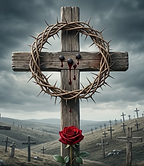
Revelation 20:14: The lake of fire explicitly designated as "the second death."
Read More Modern Pulpit Traditions vs. Biblical Scripture
Mainstream pulpits frequently dismiss God's Law as obsolete "legalism," yet enforce man-made mandates in its place. Below is the direct scriptural contrast across ten foundational doctrines.
1. Sunday Worship vs. The Seventh-Day Sabbath
Pulpit Claim: Sunday replaced the seventh day as the "Christian Sabbath."
Scripture: God sanctified the seventh day perpetually (Genesis 2:2–3; Exodus 20:8–11). Yeshua observed it as His custom (Luke 4:16) and declared Himself Lord of the Sabbath (Mark 2:28). Shifting observance to Sunday stems from post-apostolic Roman edicts, not biblical command.
2. "The Law Was Only for Ancient Israel"
Pulpit Claim: The Torah was an exclusive Old Covenant contract irrelevant to
Gentile believers under grace.
Scripture: Yeshua explicitly stated He did not come to abolish the Law or Prophets and warned against breaking even the least commandment (Matthew 5:17–19). Ingathering Gentiles are grafted into the commonwealth of Israel under the same foundational standard of obedience (Numbers 15:16; Romans 11:17–24; 1 John 5:3).
3. Dietary Instructions
Pulpit Claim: All biblically unclean foods are sanctified for consumption (citing Acts 10 or Mark 7).
Scripture: Peter stated the explicit meaning of his vision: "God has shown me that I should not call any man common or unclean" (Acts 10:28). The distinction between clean food and abominations remains unabolished and extends into end-times judgment (Leviticus 11; Isaiah 66:17).
4. "Christianizing" Pagan Holidays
Pulpit Claim: Holidays rooted in pagan solar and fertility rites (e.g., Christmas, Easter) can be redeemed to worship God.
Scripture: God strictly prohibits adopting pagan customs to honor Him: "Take heed... do not inquire after their gods, saying, 'How did these nations serve their gods? I also will do likewise.' You shall not worship the Lord your God in that way" (Deuteronomy 12:30–31).
5. God's Appointed Feasts (Moedim)
Pulpit Claim: Biblical feasts (Passover, Unleavened Bread, Shavuot, Yom Teruah, Yom Kippur, Sukkot) are obsolete shadows.
Scripture: Commanded as "statutes forever" throughout all generations (Leviticus 23:14, 21, 31, 41). Observed by Yeshua and the apostles (Acts 20:16; 1 Corinthians 5:7–8), Zechariah 14:16–19 foretells that all nations will celebrate the Feast of Tabernacles (Sukkot) in the Millennial Kingdom.
6. Sacred Names and Identity
Pulpit Claim: God's revealed name and the Messiah's Hebrew name are trivial, interchangeable with generic titles or translations.
Scripture: The Divine Name (יהוה / Yehovah) appears nearly 7,000 times in the Tanakh as an eternal memorial (Exodus 3:15). The Son was specifically named Yeshua ("Yehovah is salvation," Matthew 1:21). Scripture consistently ties salvation, reverence, and identity to knowing and proclaiming His actual name (Psalm 91:14; Acts 4:12; John 17:6, 26).
7. Cash Tithing for Church Budgets
Pulpit Claim: Believers must pay 10% of their gross cash income to the pastoral payroll or stand guilty of "robbing God" (Malachi 3:8–10).
Scripture: Biblical tithing was agricultural—crops and livestock from the land of Israel—to support the Levitical priesthood, widows, and orphans (Leviticus 27:30–32; Deuteronomy 14:22–29). Money was never tithed. New Covenant giving is non-coercive, freewill, and cheerful according to one’s means (2 Corinthians 9:7).
8. The Clergy-Laity Divide
Pulpit Claim: An ordained clerical caste acts as the professional intermediary over the congregation.
Scripture: Yeshua banned religious hierarchy and flattering titles among His disciples ("you are all brethren," Matthew 23:8–10). Under the New Covenant, all believers form a royal priesthood with direct access to the Father through one Mediator, Yeshua (1 Timothy 2:5; 1 Peter 2:9). Yeshua explicitly condemned the Nicolaitan doctrine—the subjugation of the laity (Revelation 2:6).
9. Redefining Sin
Pulpit Claim: Sin is primarily subjective emotional brokenness or feeling disconnected from God.
Scripture: Scripture provides a concrete legal definition: "Sin is the transgression of the law" (1 John 3:4). Removing the Law eliminates the very mirror that exposes sin (Romans 7:7). Yeshua warned that those who prophesy in His name while living in Torahlessness will be cast out: "Depart from Me, you who practice lawlessness [anomia]" (Matthew 7:23).
10. "Once Saved, Always Saved"
Pulpit Claim: A one-time prayer guarantees unconditional security regardless of ongoing, deliberate apostasy.
Scripture: Salvation requires ongoing endurance: "He who endures to the end shall be saved" (Matthew 24:13). Branches attached to the Vine that fail to bear fruit are severed and burned (John 15:1–6). Believers are warned against developing an unbelieving heart or treating the blood of the covenant as an unholy thing (Hebrews 3:12–14; Hebrews 10:26–29).
The Verdict
This substitution of divine commands with institutional traditions fulfills Yeshua's rebuke of the religious establishment:
"In vain they worship Me, teaching as doctrines the commandments of men. For laying aside the commandment of God, you hold the tradition of men."
— Mark 7:7–8
bottom of page
.jpeg)